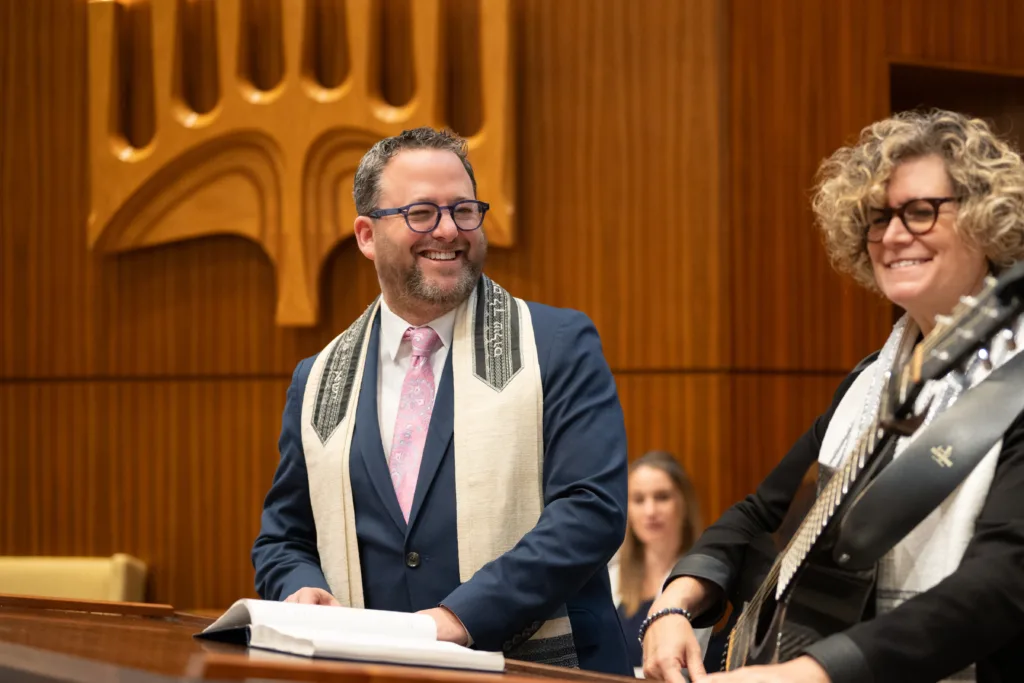
Rabbi Brad Levenberg
Our Torah portion this week, Matot-Masei (actually two portions combined!), begins with the power of words. We read: “If a person makes a vow to Adonai or takes an oath imposing an obligation upon himself, he shall not break his pledge; he must carry out all that has crossed his lips.”
The Torah knows something that modern life often forgets: words are not disposable. They create commitments, they reveal character, they can steady us when emotion is high, and they can expose us when we say more than we mean.
That feels like a lesson worth remembering in a week when the United States’ World Cup run ended with a loss to Belgium. It’s disappointing, of course. Sports have a way of getting under the skin because they give us permission to hope out loud, and when the game doesn’t go our way, the disappointment can feel strangely personal. But the Torah’s question isn’t only how we speak when we win; it’s whether our words remain decent when we lose. Can we be disappointed without turning cruel? Can we honor effort even when the result hurts? Can we remember that the people on the field aren’t symbols to be used and discarded, but human beings who carried the hopes of others as best they could?
Matot-Masei reminds us that every journey is shaped by what we promise and what we say along the way. As Shabbat arrives, may our disappointments become occasions for humility and perspective and speech that still reflects the commitments we hope to live by long after the final whistle.
Shabbat Shalom,
Rabbi Brad Levenberg