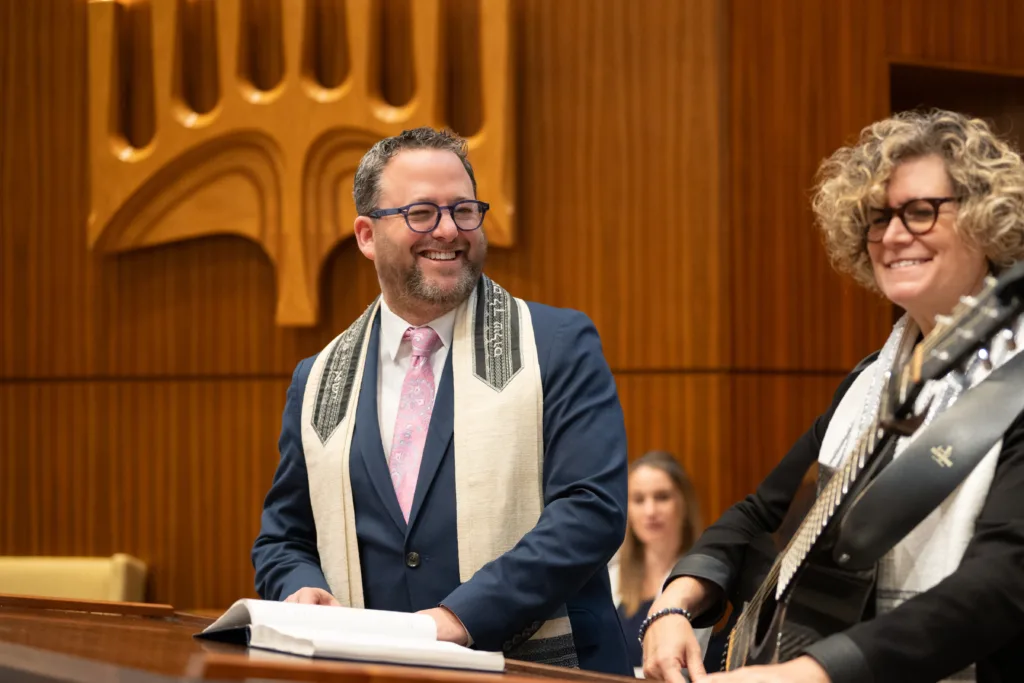
Rabbi Brad Levenberg
Forgetting a promise is rarely an act of malice. More often than not, it happens buried beneath urgency, distraction, and the steady accumulation of daily demands. Remembering, then, even remembering a “little promise,” becomes its own moral act. It requires pause and attention. It asks us to notice the commitments that still claim us, even when they are no longer urgent or visible. A promise kept matters, for it reveals something deeper about who we are.
Remembering a promise isn’t automatic. It happens when someone chooses to slow down long enough to ask, “What am I carrying that I have not yet fulfilled?” That moment of recollection can feel small, even inconvenient, but it is often the moment when integrity quietly reasserts itself.
It is in this light we can see the remarkable action described in this week’s Torah portion as Moses recalls a promise that he never made and could easily have ignored. On the most urgent night in Israelite history, with freedom finally at hand and chaos all around him, he pauses and remembers Joseph. 436 years earlier, his ancestors made a promise to Joseph, an assurance while he was still alive, that when he died, and when God remembered the people, before they left Egypt, they would bring his bones with them to Israel. The night before they departed, Moses quietly went to unearth Joseph’s casket, assemble him with his people, and bring him home.
The Exodus doesn’t begin with marching or miracles, with parting seas or tablets of stone. It begins when Moses refuses to leave Egypt without keeping faith with the past. He carries Joseph with him, offering a standard by which we are all still measured: it’s not about how fast we move forward but by what – and by what promises and commitments – we are careful to carry with us.